Buy, Lease or Rent ATMs in South Carolina | atmssouthcarolina.com
Why ATM Installation Can Serve More Than One Purpose for a South Carolina Business
- April 24, 2026
- admin
- 2:20 pm
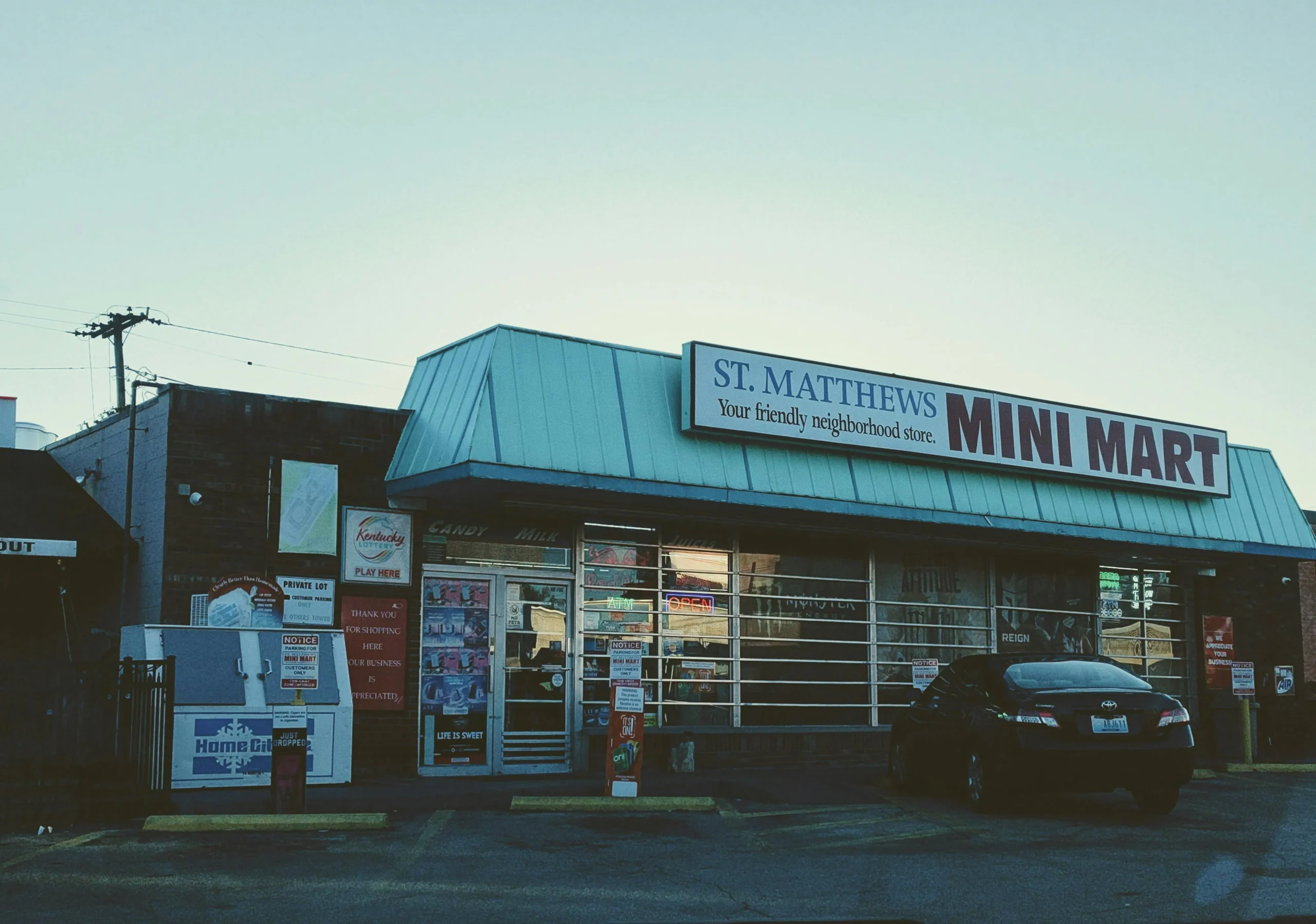
An ATM can do more for a business than simply provide cash withdrawals. In the right South Carolina location, it can support customer convenience, help the business capture more on-site spending, and strengthen the overall customer experience in a way that fits how the location already operates. That matters in a state where business patterns are shaped by both visitors and locals. South Carolina’s beaches, golf destinations, historic downtowns, hotel corridors, entertainment areas, and commercial centers all create different types of customer traffic, but many of them share one common need: easier transactions. Whether a business serves beachgoers in Myrtle Beach, tourists in Charleston, event traffic in Columbia, or a mix of local and workforce demand in Greenville or Spartanburg, an ATM can become a useful part of how the business supports spending and accessibility. South Carolina’s official parks, recreation, and tourism materials describe tourism as a $31 billion industry, while South Carolina Commerce also highlights the strength of transportation, distribution, and logistics across the state, reinforcing how varied and active the business environment really is.
An ATM Can Make It Easier for Customers to Spend Without Leaving the Business
The first major advantage of ATM installation is customer convenience. Many businesses lose potential purchases not because customers do not want to spend, but because completing the purchase becomes inconvenient at the wrong moment. If a customer needs cash and there is no ATM available nearby, the transaction may be delayed or lost completely. In a South Carolina business setting, this can happen in beach retail, bars, restaurants, convenience stores, entertainment venues, hotels, and tourism-facing locations where people are often making spontaneous purchases or quick buying decisions. An on-site ATM reduces that friction by giving customers a way to access cash immediately instead of leaving to search elsewhere. That can matter even more in visitor-heavy markets such as Charleston, Myrtle Beach, and Hilton Head Island, where convenience often shapes whether spending stays on-site. A well-placed ATM supports the customer experience at the exact moment a customer is ready to buy, which makes it more than a machine. It becomes part of the location’s ability to serve demand efficiently. South Carolina’s tourism scale helps explain why convenience-focused tools like ATMs can be especially relevant across many types of businesses in the state.
An ATM Can Create Revenue Potential From Traffic the Business Already Has
The second advantage is revenue opportunity. A business that already has steady customer traffic may be able to generate more value from that traffic when an ATM is installed in the right place. Instead of treating the ATM as a separate sideline, many businesses can use it as part of a broader strategy to support on-site spending and improve transaction flow. This is especially relevant in South Carolina because the state supports a wide mix of customer environments. Tourism corridors, hospitality districts, convenience-oriented retail areas, travel-linked businesses, and nightlife locations all create settings where immediate cash access may encourage more completed purchases. In those environments, an ATM can help reduce abandoned sales while also opening the door to surcharge-related income or broader business value tied to convenience. The important point is that the ATM serves more than one purpose at once: it supports the customer, helps keep spending local to the business, and may also contribute to revenue opportunity over time. South Carolina Commerce highlights a business environment that includes both tourism and major commercial sectors such as logistics, which helps reinforce why traffic-based convenience tools can matter in so many different parts of the state.
An ATM Can Strengthen the Business Image by Showing Practical Customer Care
perceive the business. A location that offers convenient access to cash often feels more prepared, more accessible, and more attentive to what customers actually need in the moment. That can improve the overall impression of the business, especially in customer-facing South Carolina industries such as hospitality, food service, nightlife, convenience retail, and tourism-centered commerce. In places where visitors may not know the area well, an on-site ATM can also make the location feel easier to use and more complete as a service environment. That kind of practical customer care may not always be measured directly, but it can still support repeat visits, positive word-of-mouth, and better overall satisfaction. South Carolina’s tourism-focused destinations and event-friendly markets make this especially relevant because first impressions matter in places where many customers are either traveling, exploring, or making fast decisions in busy public settings. In that context, an ATM can help reinforce the idea that the business is customer-ready rather than forcing people to solve payment convenience somewhere else.